

Plastics Market Poised for Steady Growth With a 5.1% CAGR in Value Through 2026-2034
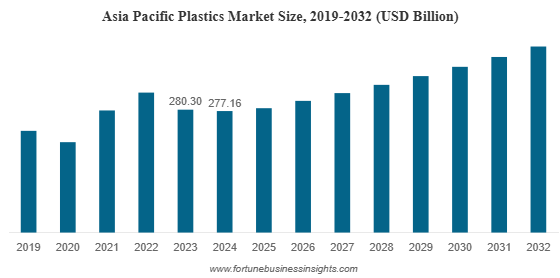
Plastics Market Size
The global plastics market size is projected to grow from $560.38 billion in 2026 to $832.62 billion by 2034, at a CAGR of 5.1% during the forecast period.
Industry Analysis
The plastics market has evolved into a vast and interconnected global industry supported by raw material suppliers, polymer manufacturers, processors, and end-use industries. Market size expansion is closely tied to industrial growth, urbanization, and rising consumer demand for lightweight and high-performance materials. Market share concentration remains strong among large multinational producers that benefit from integrated supply chains and economies of scale. At the same time, regional players are gaining ground by focusing on specialized polymers and cost-efficient production. Continuous investment in capacity expansion and material innovation is reshaping competitive dynamics across developed and emerging economies.
Get a Free Sample of this Report: https://www.fortunebusinessinsights.com/enquiry/request-sample-pdf/plastics-market-102176
Key Market Insights
One of the most significant insights shaping the plastics market is the dual trend of volume growth and material transformation. While demand for conventional plastics remains high, especially in packaging and construction, there is a parallel push toward recyclable, bio-based, and high-performance plastics. End-use industries are increasingly prioritizing material efficiency, durability, and compliance with environmental regulations. Another key insight is the growing role of Asia Pacific as both a major production hub and consumption center, driven by rapid industrialization, infrastructure development, and expanding middle-class populations.
Global Market Overview
At a global level, the plastics market is influenced by macroeconomic conditions, crude oil price fluctuations, and international trade policies. Developed regions such as North America and Europe emphasize sustainability, recycling infrastructure, and circular economy models. In contrast, emerging regions focus more on affordability, infrastructure development, and mass consumption. The global market is also witnessing technological integration, including advanced polymerization techniques and digital manufacturing processes, which are enhancing product consistency and reducing waste across the value chain.
Market Trends
A prominent trend in the plastics market is the shift toward sustainable and eco-friendly materials. Manufacturers are investing in recycled plastics, biodegradable polymers, and bio-based alternatives to address environmental concerns and regulatory pressures. Lightweighting is another important trend, particularly in automotive and aerospace applications, where reducing vehicle weight improves fuel efficiency and lowers emissions. Additionally, smart plastics with enhanced properties such as heat resistance, electrical conductivity, and antimicrobial features are gaining traction in electronics and healthcare applications.
Market Growth Factors
Several factors are driving the growth of the plastics market. Rapid urbanization and infrastructure development are increasing demand for plastic-based construction materials such as pipes, insulation, and panels. The expanding packaging industry, fueled by e-commerce and changing consumer lifestyles, continues to be a major growth engine. Rising demand from the healthcare sector, including medical devices, disposables, and pharmaceutical packaging, also supports market expansion. Furthermore, plastics offer cost and performance advantages over traditional materials like metal and glass, reinforcing their widespread adoption across industries.
Segmentation Analysis
The plastics market is segmented based on type, application, and end-use industry. By type, the market includes thermoplastics, thermosetting plastics, and elastomers, with thermoplastics accounting for the largest share due to their recyclability and versatility. Application-based segmentation covers packaging, construction, automotive, electrical and electronics, and consumer goods. Packaging remains the dominant application segment, supported by food safety requirements and growing demand for flexible and rigid packaging solutions. End-use industries continue to diversify, with increasing adoption of specialized plastics in renewable energy, agriculture, and advanced manufacturing.
Regional Analysis
Asia Pacific leads the global plastics market, supported by strong manufacturing activity in countries such as China, India, and Southeast Asian nations. The region benefits from abundant raw materials, low production costs, and high domestic consumption. North America represents a mature but innovation-driven market, with emphasis on high-performance plastics and recycling technologies. Europe is characterized by strict environmental regulations, pushing manufacturers toward circular economy practices and sustainable product development. Latin America and the Middle East & Africa are emerging markets, offering growth opportunities driven by infrastructure projects and industrial expansion.
Key Industry Players
The plastics market is highly competitive, with leading players focusing on capacity expansion, mergers and acquisitions, and product innovation. Major companies invest heavily in research and development to create advanced polymers that meet evolving industry requirements. Strategic collaborations with end-use industries enable manufacturers to develop customized solutions and strengthen long-term partnerships. Smaller and regional players contribute to market diversity by catering to local demand and offering cost-competitive alternatives, intensifying overall market competition.
Key Industry Developments
Recent developments in the plastics market highlight a strong focus on sustainability and technological advancement. Companies are expanding recycling facilities, adopting chemical recycling methods, and launching products with higher recycled content. Investments in bio-based plastics and renewable feedstocks are gaining momentum as part of long-term sustainability strategies. Digitalization of manufacturing processes, including automation and data-driven quality control, is also improving operational efficiency and reducing environmental impact. These developments indicate a gradual transformation of the plastics industry toward a more responsible and innovation-led future.
Get a Free Sample of this Report: https://www.fortunebusinessinsights.com/enquiry/request-sample-pdf/plastics-market-102176
Future Outlook
The future of the plastics market is expected to balance growth with sustainability. While demand will continue to rise due to population growth, urban development, and industrial expansion, regulatory frameworks and consumer awareness will increasingly shape material choices. Companies that successfully integrate innovation, environmental responsibility, and cost efficiency are likely to gain a competitive edge. Overall, the plastics market is poised for steady growth, evolving from a volume-driven industry into a more value-focused and sustainable global ecosystem.
Read Related Reports:
Fluoropolymers Market
Polyurethane Market
Ashwin Arora
Fortune Business Insights™ Pvt. Ltd.
+1 833-909-2966
sales@fortunebusinessinsights.com


Distribution channels: Business & Economy
Legal Disclaimer:
EIN Presswire provides this news content "as is" without warranty of any kind. We do not accept any responsibility or liability for the accuracy, content, images, videos, licenses, completeness, legality, or reliability of the information contained in this article. If you have any complaints or copyright issues related to this article, kindly contact the author above.
Submit your press release